Cameron Miner Contact
TEDx Portsmouth
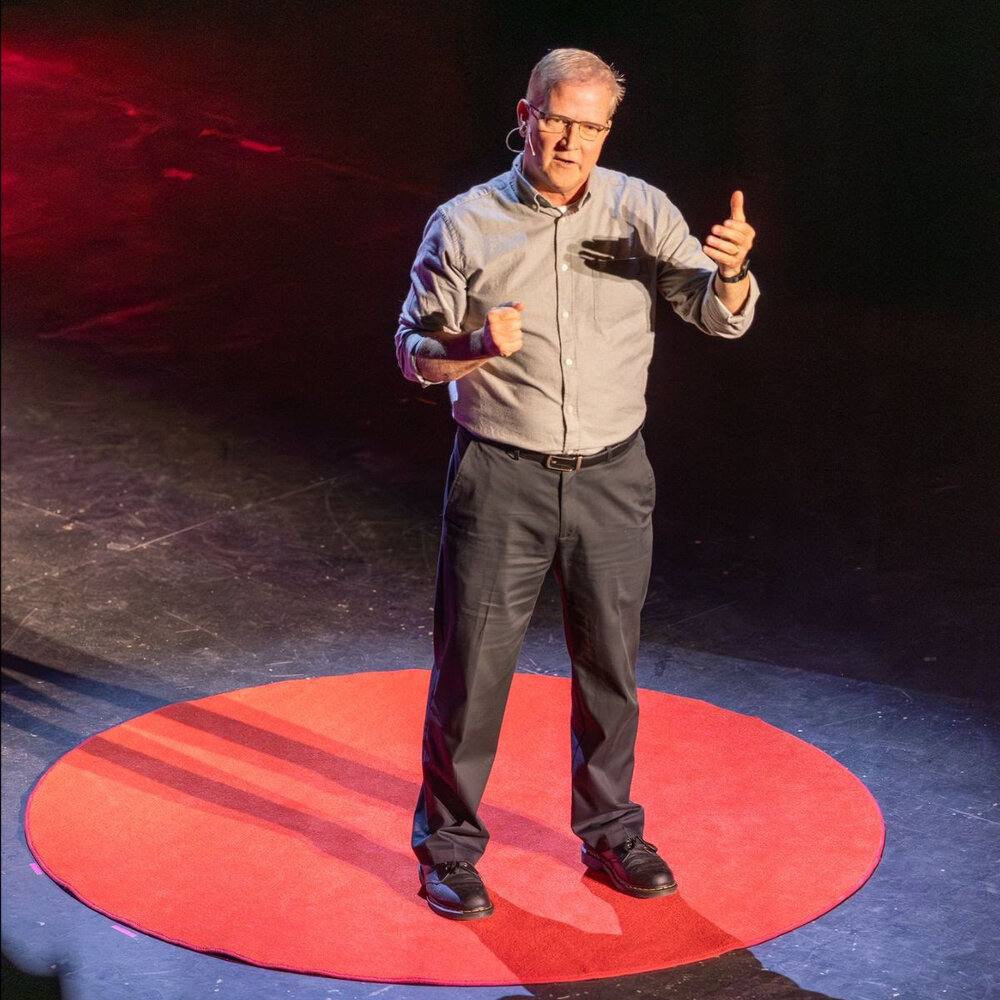
Cameron Miner delivering his TEDx Portsmouth talk on stage

AI Is Everywhere. Except Where Needed Most.

Watch the talk →
"AI is concentrated in the places and with the people who need it the least."

This is the pivot of the talk. It's triggered by an AI-powered watch alert that may have saved Cameron's life — which raises the question of why that same capability isn't reaching the people who need it most. It's a challenge to the industry's default distribution pattern: the most advanced AI tools land first in wealthy markets and boardrooms, not in the clinics, classrooms, and farms where the marginal impact would be greatest.

"It's not about the income, it's about the outcome."

Borrowed from his daughter, a teacher, this line reframes the entire AI investment conversation. Trillions of dollars are being spent building AI that sells us things or summarizes meetings — optimized for engagement and revenue. This is a call to redirect that same capability toward outcomes that matter for people who can't pay for it: health, education, food security.

"We want to use it to enhance, not replace."

Drawn straight from a 30-year career — the stair-climbing wheelchair, the child's prosthetic hand, the DaVinci surgical robot — each used advanced technology to extend human capability rather than substitute for it. As AI moves toward AGI and beyond, this becomes the design principle worth defending: build systems that amplify human agency and dignity, not ones that quietly remove the human from the loop.

Insight · Innovation · Impact

Thirty years of turning hard problems into shipped products.

I've led R&D and product strategy at the intersection of MedTech, Robotics, and Wearable AI — from the foundational technology behind the da Vinci Surgical Robot at SRI, to life-saving devices like the Zoll AutoPulse, to early research into Digital Jewelry and neural-input wearables at IBM and Meta.

Portrait of Cameron Miner
About

My journey began at MIT, where I studied physics and competed as a finalist in the 2.70 robotics competition — which led me to DEKA, working directly with Dean Kamen on foundational systems like the iBOT wheelchair and home dialysis. I later refined my approach at Stanford under IDEO founder David Kelley, who instilled a human-centered design philosophy that still anchors my work today.

Whether building global centers of excellence or launching startups, I'm drawn to complex problems and to scaling high-impact innovation from early research through global commercialization — across medical, military, and consumer products, in some of the most highly regulated environments there are.

Case Studies — Meta Reality Labs
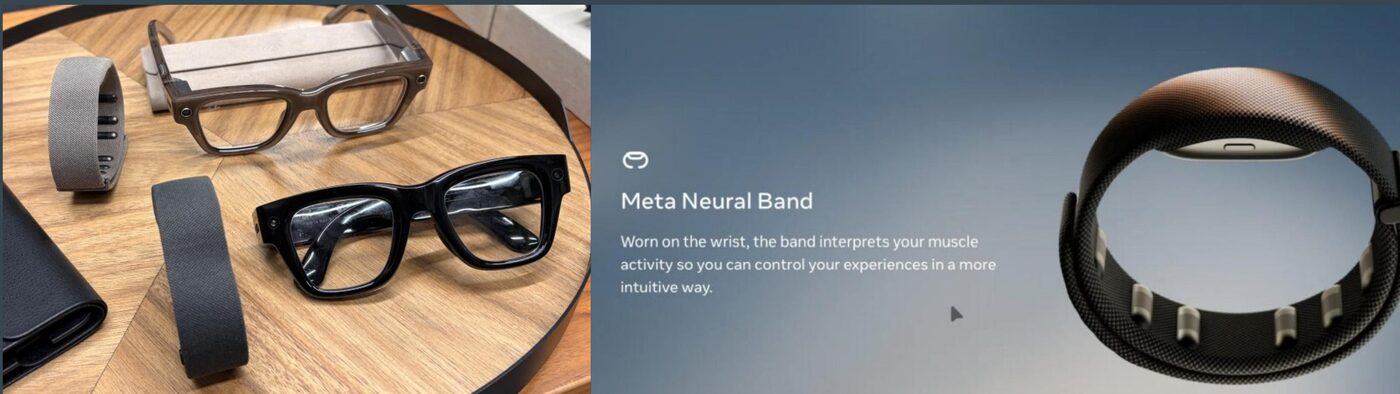
Wearable wristband prototype for AR interaction
Meta Research

A wristband for AR interactions

Opportunity
Design, build, and test a wearable interface for AR glasses that allows more natural interaction with the real world.
Insight
The size, weight, and power budget for haptic feedback components — actuators and battery — vastly exceeded every other system component.
Innovation
Rather than converting electrical signal to mechanical actuation and back to electrical nerve stimulation, I explored direct electrical nerve stimulation using the existing EMG sensing electrodes.
Impact
Greatly reduced size, weight, and power — unlocking new opportunities for remote haptics and even force feedback.
Research tracking framework diagram
Meta Research

Tracking and guiding spatial computing research

Opportunity
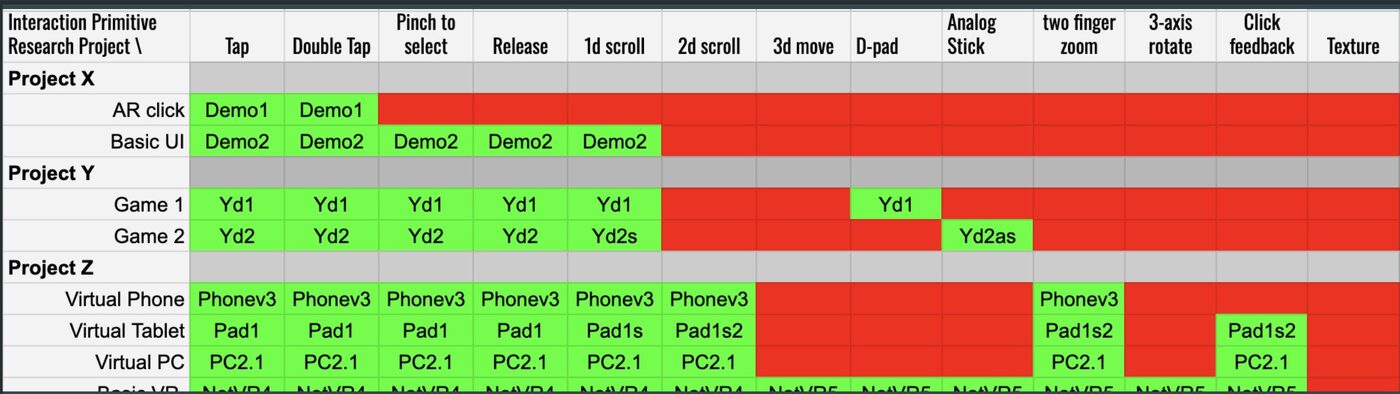
My work on the user experience for spatial computing was classified, but I also built a framework to help evaluate and direct research priorities for greater impact.
Insight
Some early research had drifted apart from common goals — the team needed shared metrics for evaluation and guidance.
Innovation
Defined interaction primitives and identified key metrics to evaluate the contribution of each research thread.
Impact
Built and maintained a framework that became the standard for status updates and project reviews.
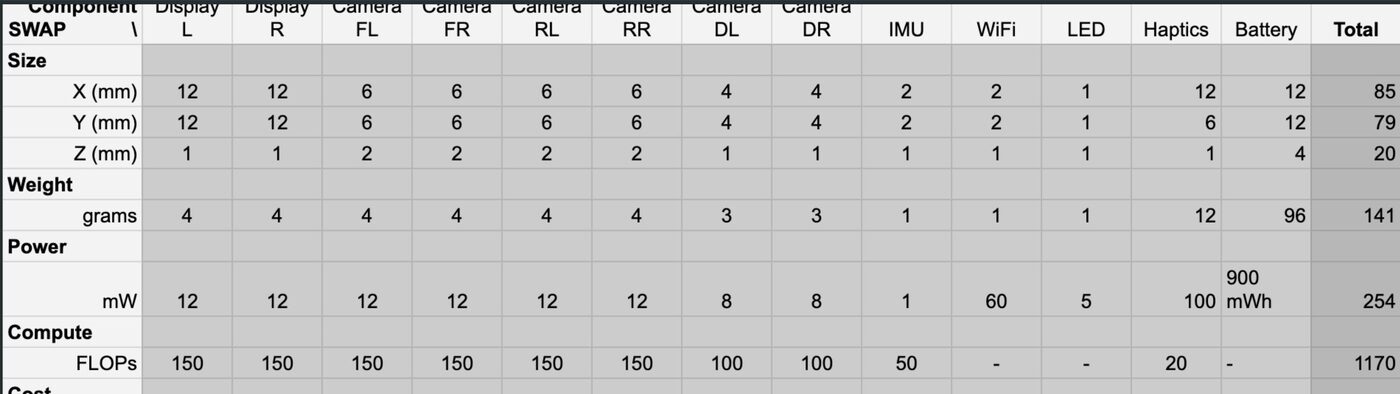
SWAP analysis diagram for haptics research
Meta Research

Generating IP through SWAP analysis

Opportunity
Working with the Systems Design group at Meta, I used size/weight/and-power (SWAP) analysis to identify opportunities for IP in haptics.
Insight
Traditional haptics travel from electrical signal, to mechanical energy, to nerve stimulation under the skin — an inherently lossy chain.
Innovation
Research into electrophysiology uncovered an opportunity for direct electrical nerve stimulation, skipping the mechanical step entirely.
Impact
Eliminated inefficient mechanical components, reducing size, weight, power, and battery draw — leading to a new research project and a filing to build an IP moat.
Case Study — IBM Research
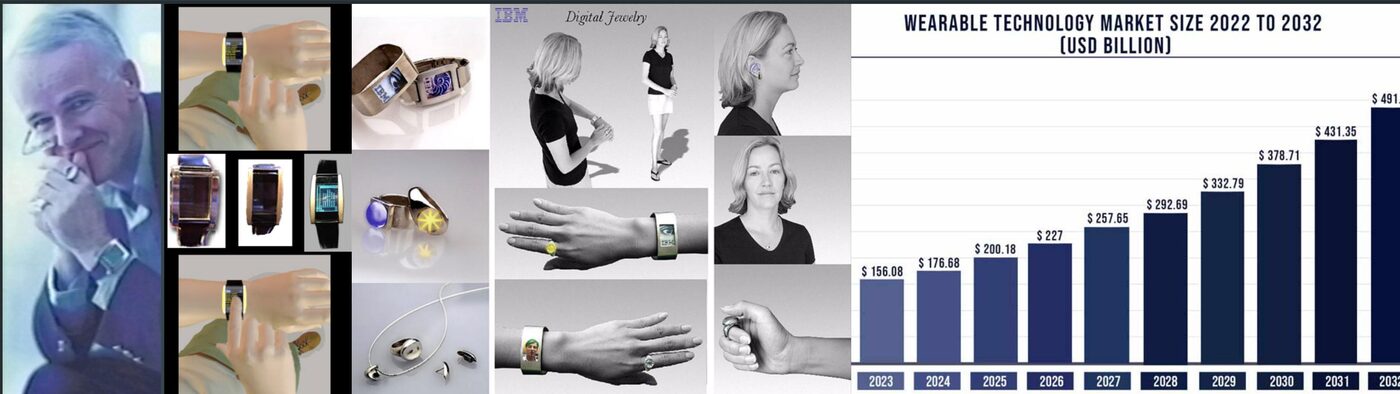
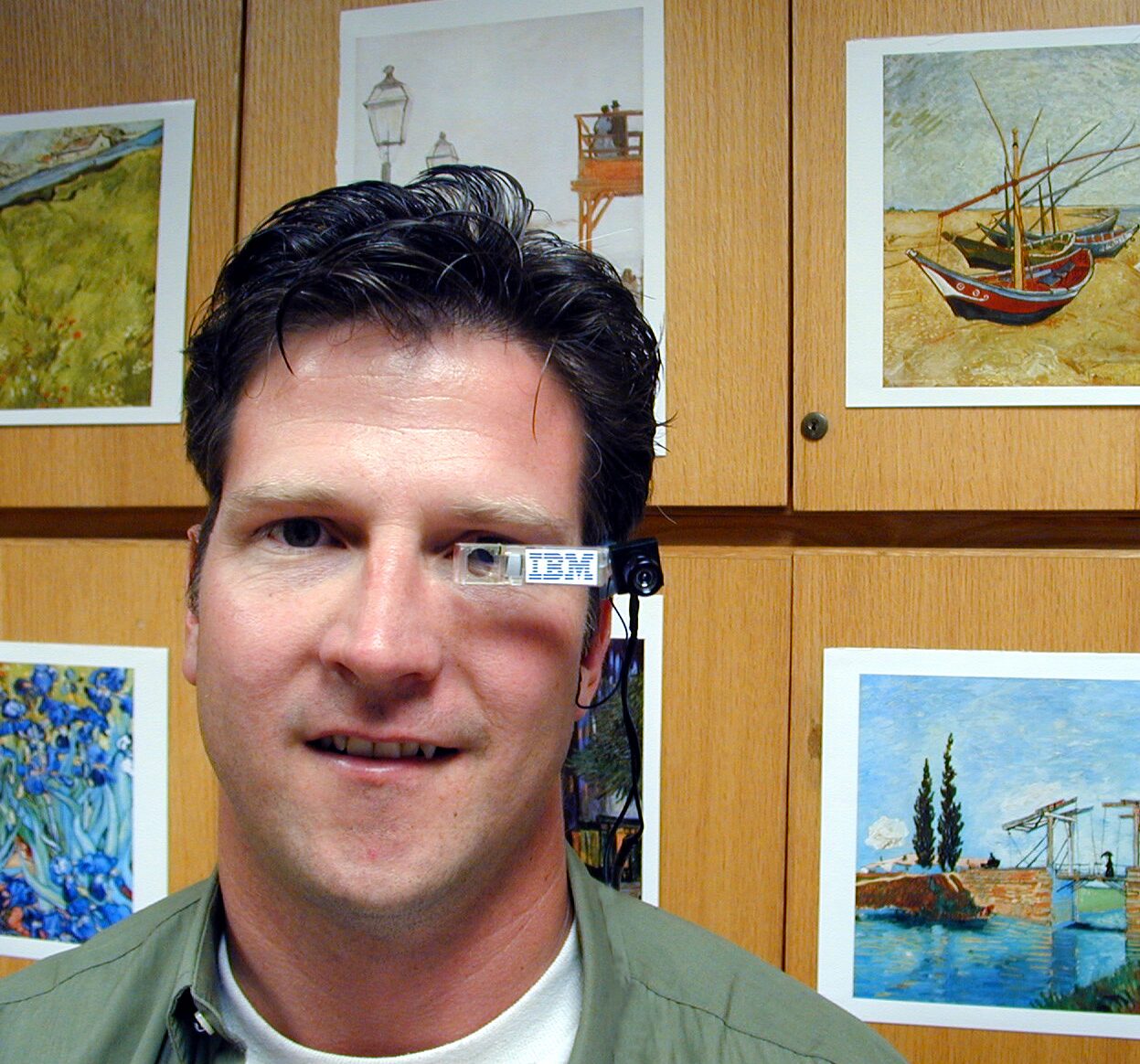
Digital Jewelry prototypes and market growth chart, IBM designLab
IBM Research — designLab, c. 1999

Digital Jewelry

Opportunity
Ubiquitous computing — exploring how people would use computers beyond the desktop, anywhere and anytime.
Insight
"Anywhere, anytime" really means everywhere, all the time. What would people want to wear all the time, and what interactions become possible on those devices?
Innovation
Digital Jewelry — embedding technology into things people already wear. I worked with jewelry designers and ran user testing to prototype interactions well beyond the limits of the technology available at the time.
Impact
Digital Jewelry — including today's smart watches, glasses, rings, bands, and AI earbuds — generated over $150B in revenue in 2023.
Case Studies — Medical & Surgical Robotics
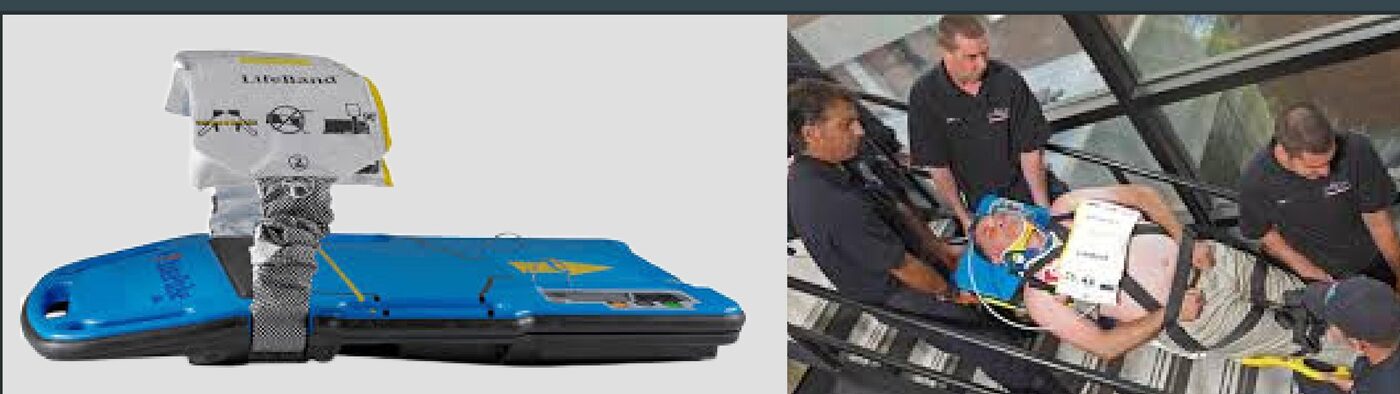
Zoll AutoPulse CPR device
Emergency Medical Systems — Revivant

The Zoll AutoPulse

Opportunity
Worked with Dr. Thomas Fogarty at Stanford Hospital to develop a device for automated CPR assistance.
Insight
Designed, prototyped, and tested a circumferential compression device using drill motors, Tyvek, and conductive velcro.
Innovation
Integrated the device directly into the backboard that doctors, ER staff, and EMTs already used — easier to deploy, easier to use while transporting a patient, and faster to reach market both inside and outside the ER.
Impact
Became the Zoll AutoPulse, used to save lives in thousands of hospitals around the world.
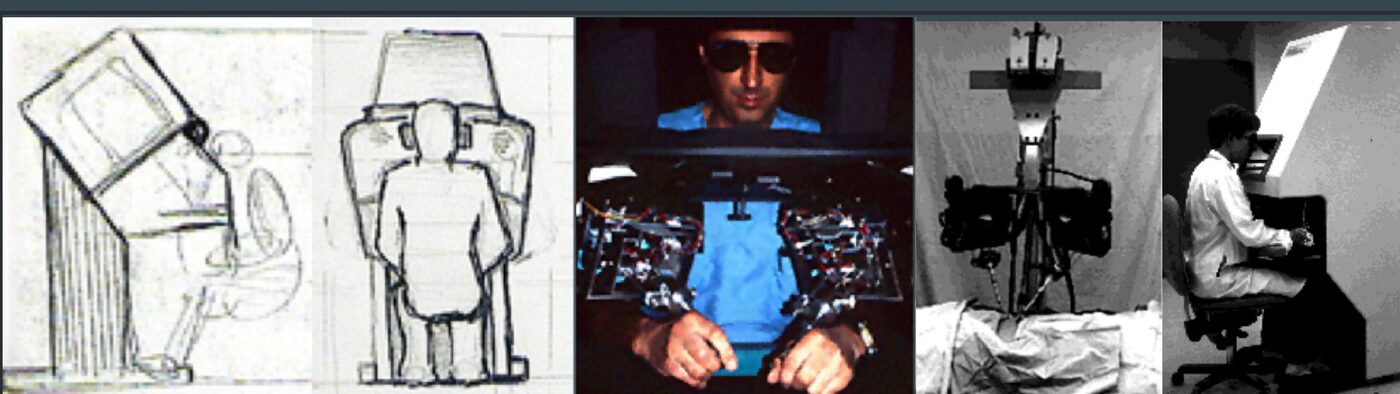
Telepresence surgical robot arm, precursor to da Vinci
SRI International — DARPA Program

The da Vinci Surgical Robot

Challenge
Under a DARPA program, the U.S. Army required an advanced telepresence surgical system to perform complex procedures remotely — demanding unprecedented precision, stability, and human-machine interface design for field medicine.
Insight
Placing a computer between the surgeon's input and the instrument's output opens up entirely new capabilities.
Innovation
Contributed to the design of the initial prototype at SRI as a Stanford graduate student, focused on the human-machine interface and the mechanical articulation that translates a surgeon's macro movements into precise, micro-scale robotic action.
Impact
This work laid the foundation that led to the commercialization of the da Vinci Surgical System — now the global standard for minimally invasive surgery, in a market worth tens of billions of dollars.
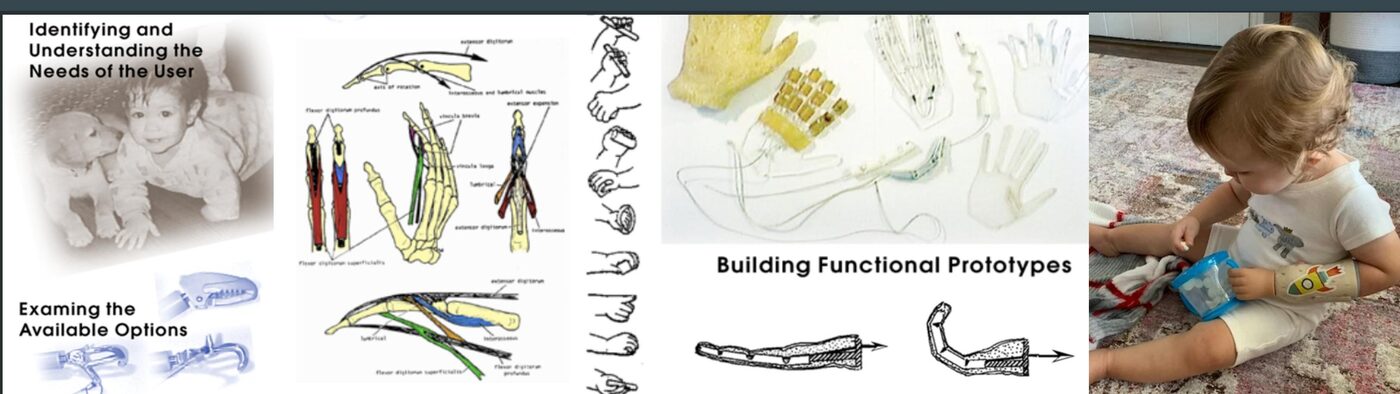
Child-size prosthetic hand prototype
VA Rehab R&D Center — Stanford Children's Hospital

Child-size prosthetic hands

Opportunity
Develop an alternative to child-sized prosthetic hands, which at the time were limited to metal hooks and plastic claws.
Insight
Kids developing gross motor skills mainly need something safer and more natural-looking while playing with others.
Innovation
Created a flexible endoskeleton with a "whiffle tree" for adaptive grip, enabling age-appropriate tasks. A silicone skin gave a more natural look and feel, and made play safer.
Impact
Led to a publication in a prosthetics journal, patents, and manufacturer licenses — and a meaningful, positive effect on a child's early experience: independent play, confidence, and social interaction.
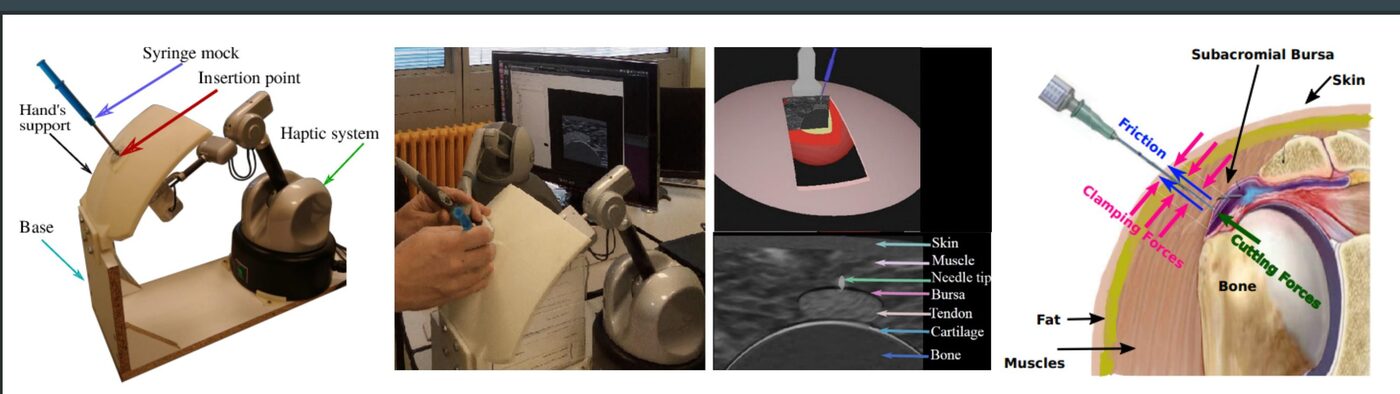
Percutaneous vascular access training simulator
Immersion Corporation

Percutaneous training simulator

Opportunity
Worked with Dr. Louis Rosenberg to apply his haptic engine to vascular access training.
Insight
Tactile feedback simulating the feel of instruments and tissue helps trainees build real psychomotor skill.
Innovation
Built a system that tracks, measures, and scores crucial technique — puncture depth and angle — to help trainees learn and improve.
Impact
Studies show simulation-trained clinicians achieve improved technical proficiency in laparoscopy, endovascular procedures, and other catheter-based techniques.
Case Studies — DEKA Research
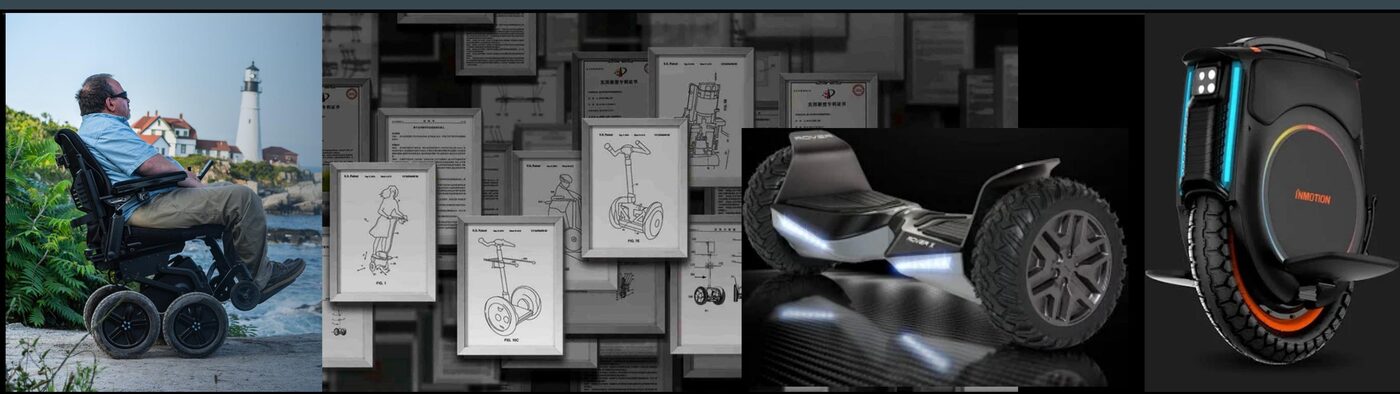
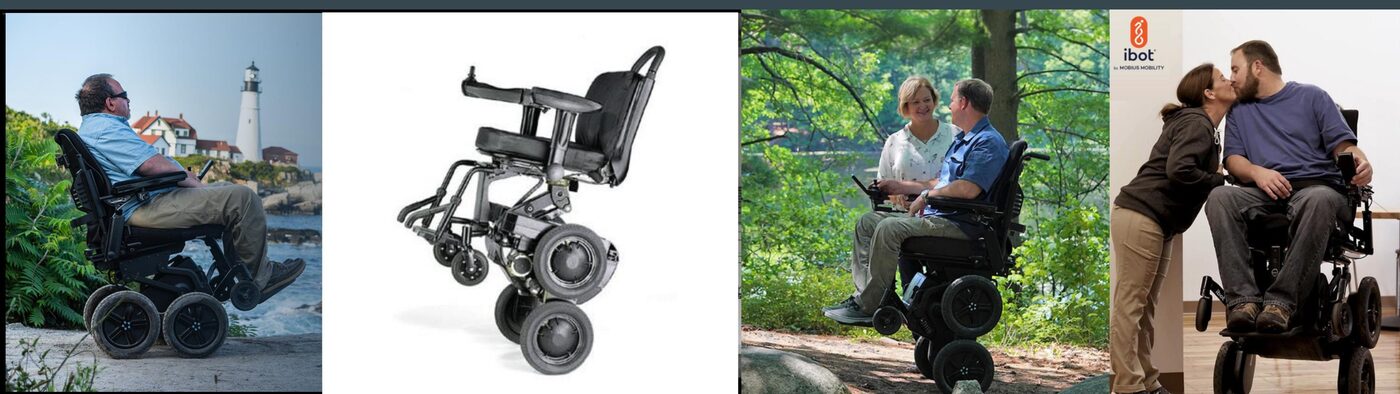
Stair-climbing wheelchair platform prototype
DEKA

The stair-climbing wheelchair — and the Segway

Opportunity
While working on the UI and UX of the stair-climbing wheelchair, we decided to have some fun in the lab.
Insight
We fabricated a tubular frame so we could stand on the control module and zip around the room just by leaning.
Innovation
Instead of just building a high-end wheelchair, we'd effectively invented a lightweight, agile, motorized scooter.
Impact
The "hoverboard" seemingly took over the world overnight, with millions of units sold in various configurations — though DEKA never fully capitalized on the opportunity it had created.
User testing of stair-climbing wheelchair in a social setting
DEKA

Designing for dignity, not just mobility

Opportunity
We ran user testing across a variety of environments, including social settings and interactions.
Insight
The most powerful feature of the wheelchair wasn't a technical one — it was being at eye level with others.
Innovation
Shifted focus toward the social aspects of the wheelchair experience and how it could support interaction with others.
Impact
Changed how wheelchair users are perceived by others — and how they perceive themselves — by enhancing dignity, fostering equal social interaction, and increasing independence.
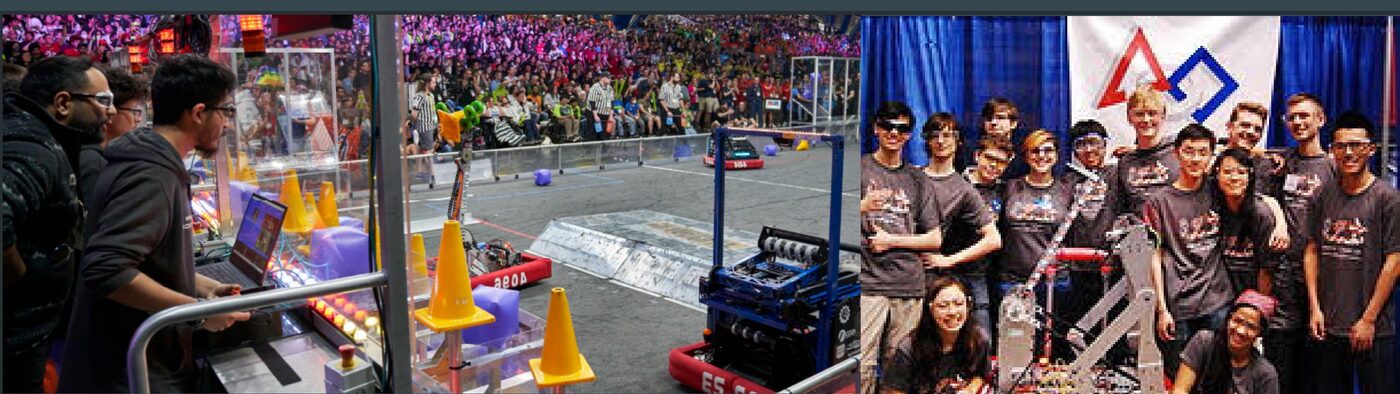
FIRST Robotics competition
DEKA — US FIRST

Building the FIRST Robotics Competition

Opportunity
As a finalist in the MIT 2.70 competition, I worked with Woodie Flowers and Dean Kamen to develop and launch the US FIRST Robotics Competition — because we wanted to show kids that engineering is fun.
Insight
Kids love competing in sports. How do you make engineering feel like a sport? Teams, competitions, a tournament.
Innovation
Created the compelling challenges, signed up sponsor companies for materials and mentors, and built the competition management system that ran timing, results, and sponsorship.
Impact
FIRST has expanded across age groups and around the world, with over 668,000 participants in 2022–23.
Case Studies — Sport Tech
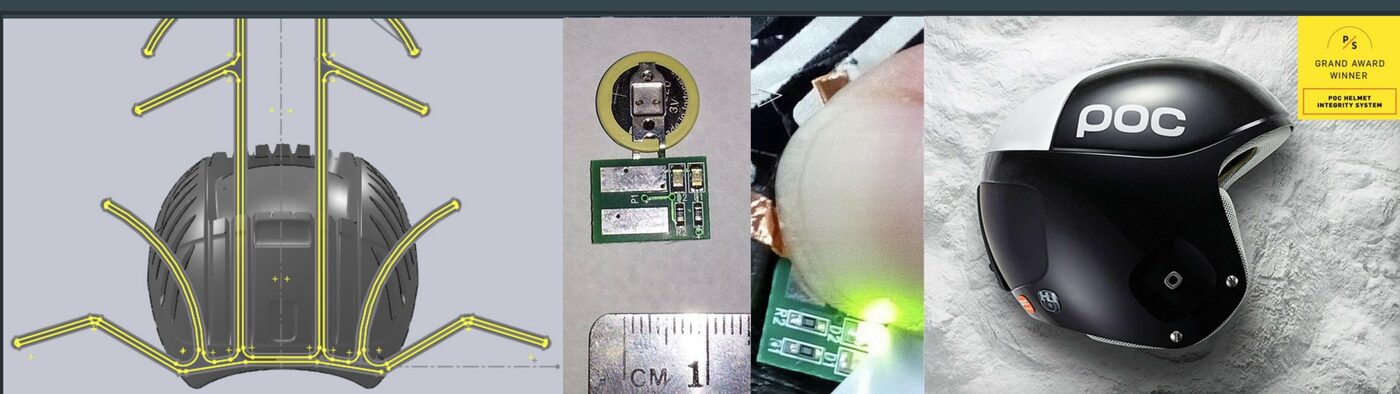
Helmet sensor for Giro and POC
Checkit

Helmet impact sensors for Giro and POC

Opportunity
As ski resorts began requiring helmets, Giro wanted to offer rental helmets — which raised concerns about safe re-use.
Insight
Impact forces cause damage through deformation, not just acceleration. Rather than logging acceleration, I focused on strain — and designed a low-cost, flexible, 1-bit strain gauge.
Innovation
Used printable inks and electronics to identify whether a helmet had been structurally compromised.
Impact
Researched, designed, built, tested, and manufactured the system integrated into the helmet that helped POC's Skull Orbic Comp win Product of the Year at ISPO 2013 and "Best of What's New" from Popular Science in 2014.
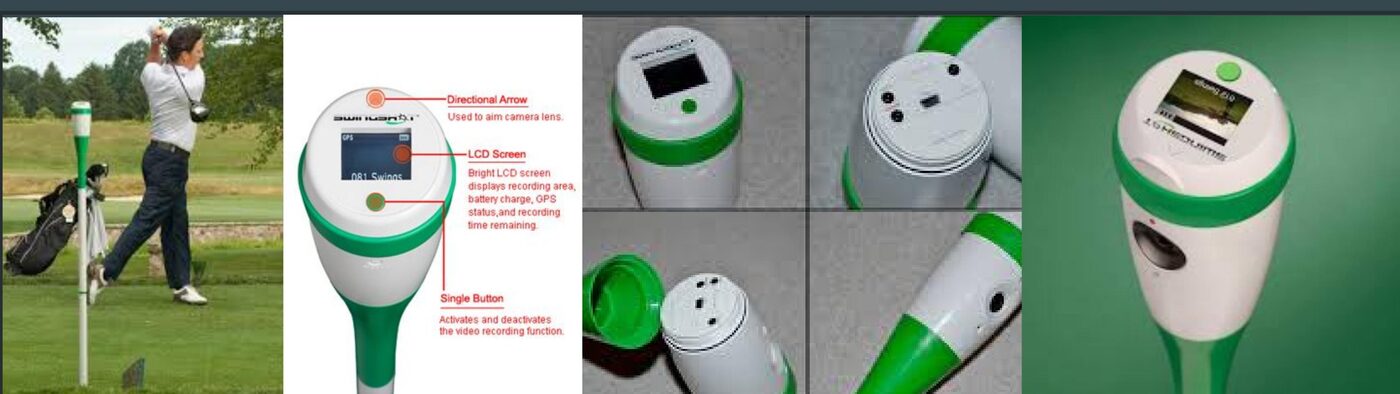
SwingShot golf swing camera
SwingShot

The SwingShot golf camera

Opportunity
Worked with the founders to define, design, prototype, test, and manufacture an innovative golf camera.
Insight
Golfers want to see how their swing changes once they leave the driving range — but it's hard to capture video of yourself.
Innovation
A camera on a spike that fits in a golf bag and captures every swing, plus GPS to show where the ball landed — the location of the next stroke.
Impact
Sold on Amazon and used to capture more than 302,000 golf swings.
P3Pro golf swing analysis camera system
P3Pro Swing

High-speed golf swing analysis

Opportunity
Worked directly with Les Otten on a high-speed camera for his swing analysis system.
Insight
Combining a high-speed image sensor with a bright LED strobe let us capture the velocity and spin of the ball.
Innovation
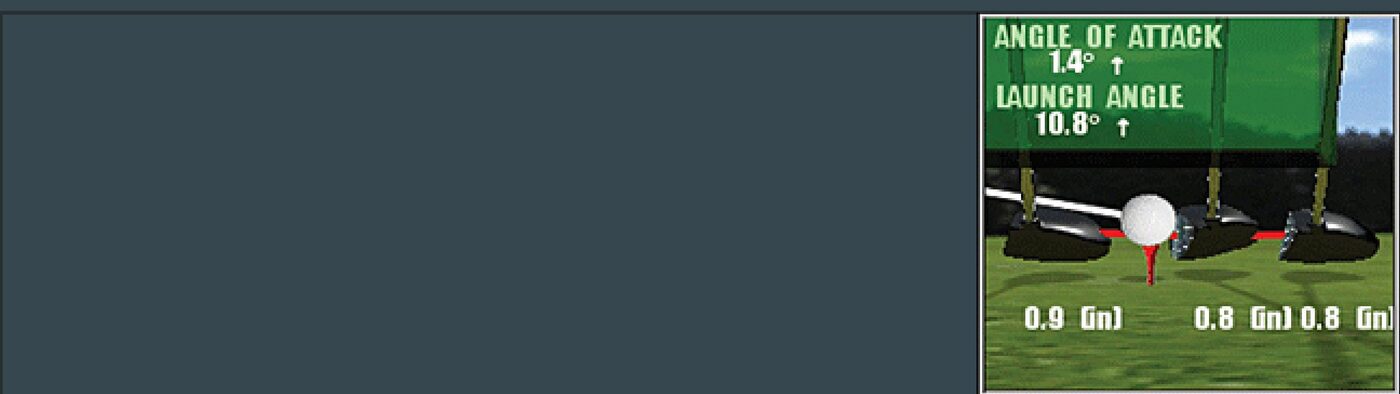
Built a test fixture that launched golf balls at over 200 mph and a custom infrared LED strobe so it wouldn't blind the golfer — measuring speed, angle, velocity, and spin of both club and ball.
Impact
P3Pro has since gone out of business, but the ProLaunch camera was genuinely revolutionary for its time.
Case Studies — Field, Security & Public Health
ID2 — Integral Design and Development · FBI / ATF / State / SOCOM

Covert surveillance and intelligence equipment

Opportunity
Develop body-worn and embedded covert surveillance and intelligence equipment for agencies in the US, UK, and Spain.
Insight
Working directly with SOCOM operators to focus on what's essential and remove everything that isn't.
Innovation
Took advantage of increasing flash memory capacity, shrinking memory card form factors, and custom ASICs to reduce size, weight, and power — and built custom cameras from bare sensors with camouflaged optics.
Impact
Refined across successive generations of the product down to its essential components.
Fleye

Not just POV — video of you

Opportunity
Applying video expertise to social media video capture.
Insight
Instead of competing with GoPro's point-of-view capture, turn the problem inside out: capture video of the user, not by the user.
Innovation
Integrated cameras and RFID readers to capture video of events and venues effortlessly, at scale.
Impact
Refined across successive generations of the product down to its essential components.
COVID Innovation Center — PPE Re-Use Subgroup

Solving a PPE shortage with idle equipment

Opportunity
Worked with colleagues at MIT, Harvard, and MGH to address the shortage of PPE through safe re-use.
Insight
The Boston Bruins had ozone sterilization equipment sitting unused during the pandemic.
Innovation
Ozone offered a fast, safe way to sterilize and sanitize PPE.
Impact
Worked with a local manufacturer to scale up production of UV-C lamps for decontamination and sterilization.
Method

A user-centered design process

Every project above runs through the same repeatable process — identifying the insight that reveals an unmet need, the innovation that addresses it, and the impact of getting it into people's hands.

Diagram of the user-centered design process: empathize, define, ideate, prototype, test
Publications & Patents
"Digital Jewelry: Wearable Technology for Everyday Life"
ACM SIGCHI · January 2001
"Pushing Functionality Into Even Smaller Devices"
ACM Communications · March 2001
"Design Concepts for an Endoskeletal Child-Size Hand"
Journal of Prosthetics and Orthotics · June 1997